
AS/RS and shuttle control layer
Storage commands, location strategy and crane or shuttle interfaces reviewed with selectivity and fire-route constraints.
Location logicShuttle I/ODensity trade-offs
Review catalog →

Document load units, SKU and order profiles, peak windows, interface ownership and acceptance evidence before comparing automation concepts. Clear inputs shorten evaluation and protect handover.
Selection connects physical equipment with WCS orchestration, PLC handshakes and service access—not isolated catalogs.
Storage commands, location strategy and crane or shuttle interfaces reviewed with selectivity and fire-route constraints.

Release logic, divert confirmation, accumulation limits and exception routing treated as one control surface.
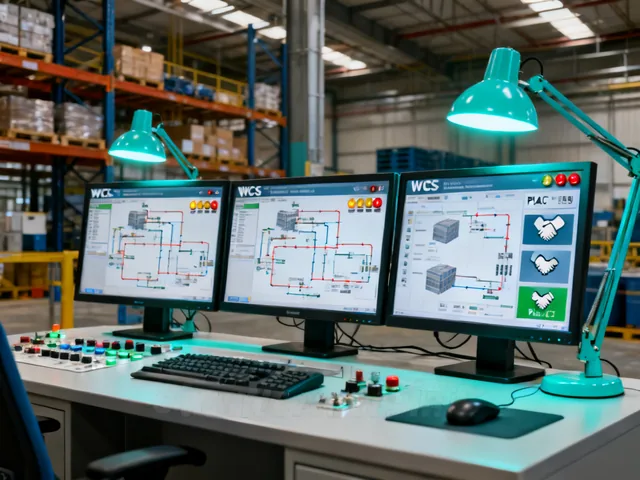
Ownership for missions, inventory state, alarms, retries and recovery documented before interfaces freeze.
Each advantage maps to a documentable input, not a slogan. Use them to structure vendor questions and acceptance gates.
Name WMS, WCS, WES, PLC and fleet owners for handshakes, alarms and retries.
Qualify rate against SKU mix, order profile, peak window and exception recovery.
Protect live fulfillment with cutover windows, fallback states and measurable gates.
Keep diagnostics, critical spares and recovery procedures visible before handover.
Lock message maps and timeouts only after operating assumptions are written.
Stage migrations so aisle access, fire routes and host systems stay operable.
Profiles differ by SKU depth, peak factor, temperature and pallet or tote mix—not by generic “logistics” labels.
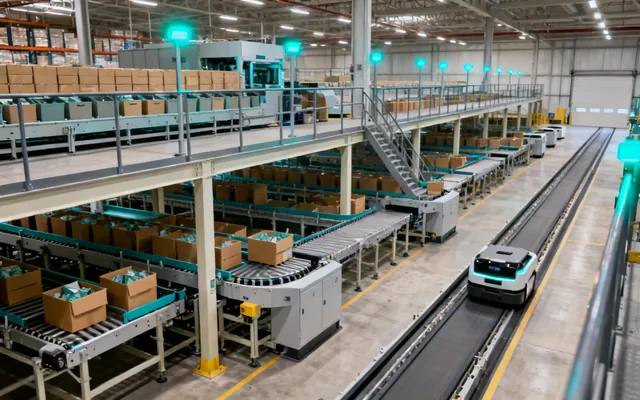
High SKU depth, short peak windows and frequent wave changes demand buffer rules and exception paths written into the RFQ.
View profile →
Temperature zones, case and pallet mix and replenishment cadence change both storage selectivity and control timeouts.
View profile →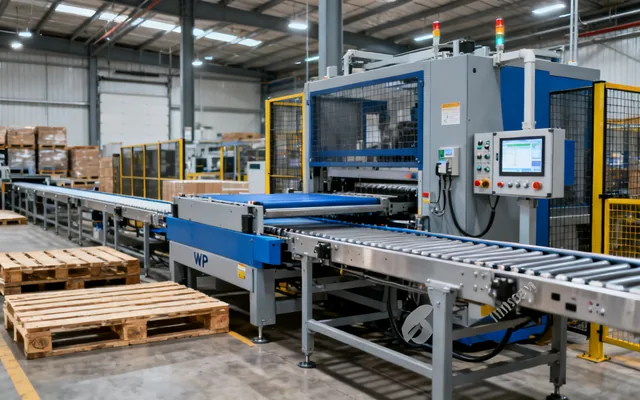
WIP buffers, kit sequencing and line-side handoffs require clear PLC and WCS ownership before automation expands.
View profile →KNAPP responses prioritize load unit, SKU and order profile, peak rate, interfaces and site constraints. Incomplete inputs slow every vendor—including us—so start with the checklist.
Complete the RFQ Data Sheet